
Danish Bench
Duration
5.5 Weeks
Dates
Fall 2024

The Danish Bench blends precise joinery, and durable materials. Built with traditional mortise-and-tenon and domino joints-no visible metal-the bench offers clean lines and lasting strength.
Skills: Ergonomic Research, CMF Design, Form Development
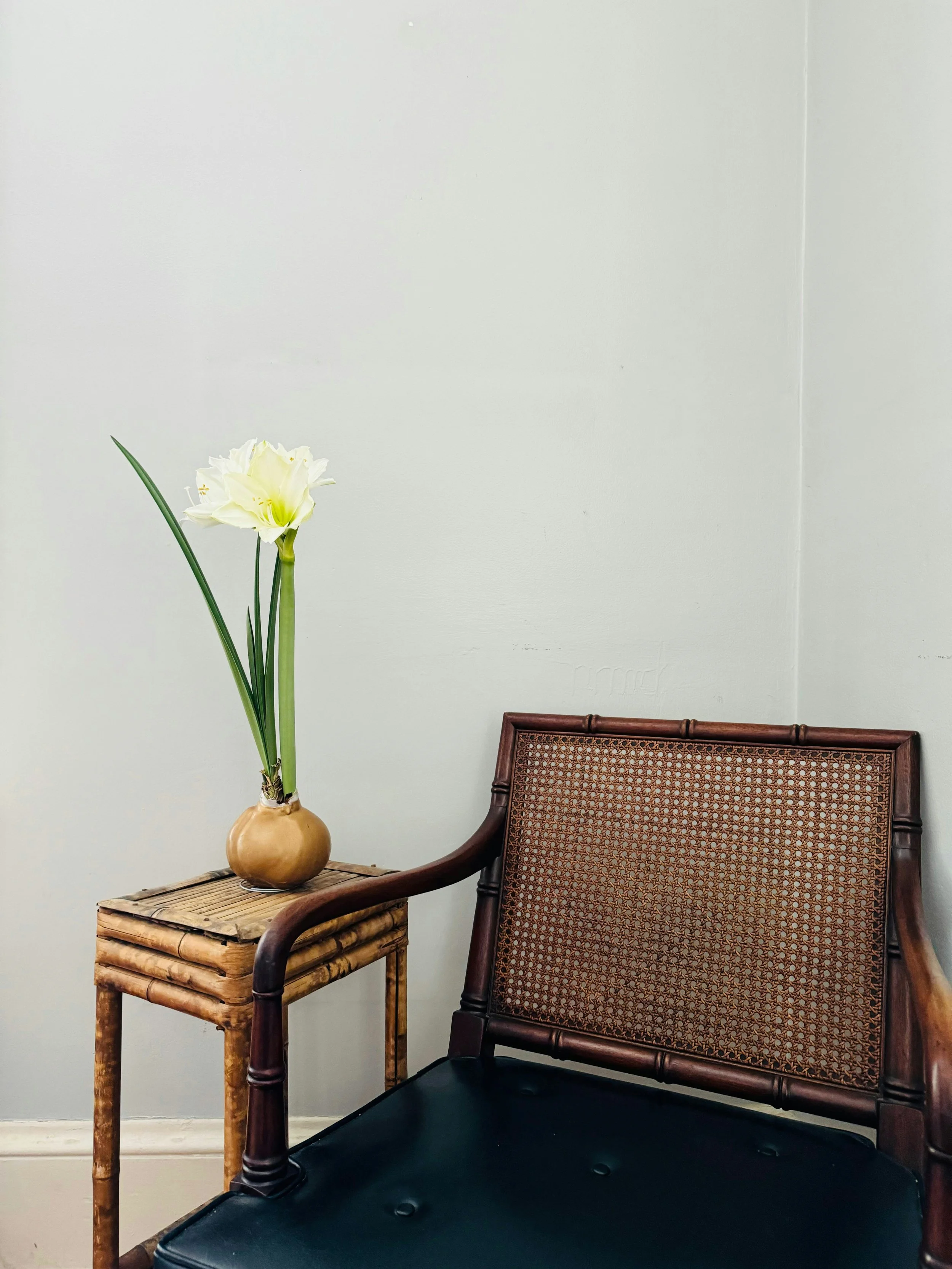
Furniture Groups
Utilizes decorative carvings and moldings while combining with rich woods with deep color: Walnut, Mahogany, and Cherry. These are great in formal spaces including dining rooms or heirloom pieces.
Traditional
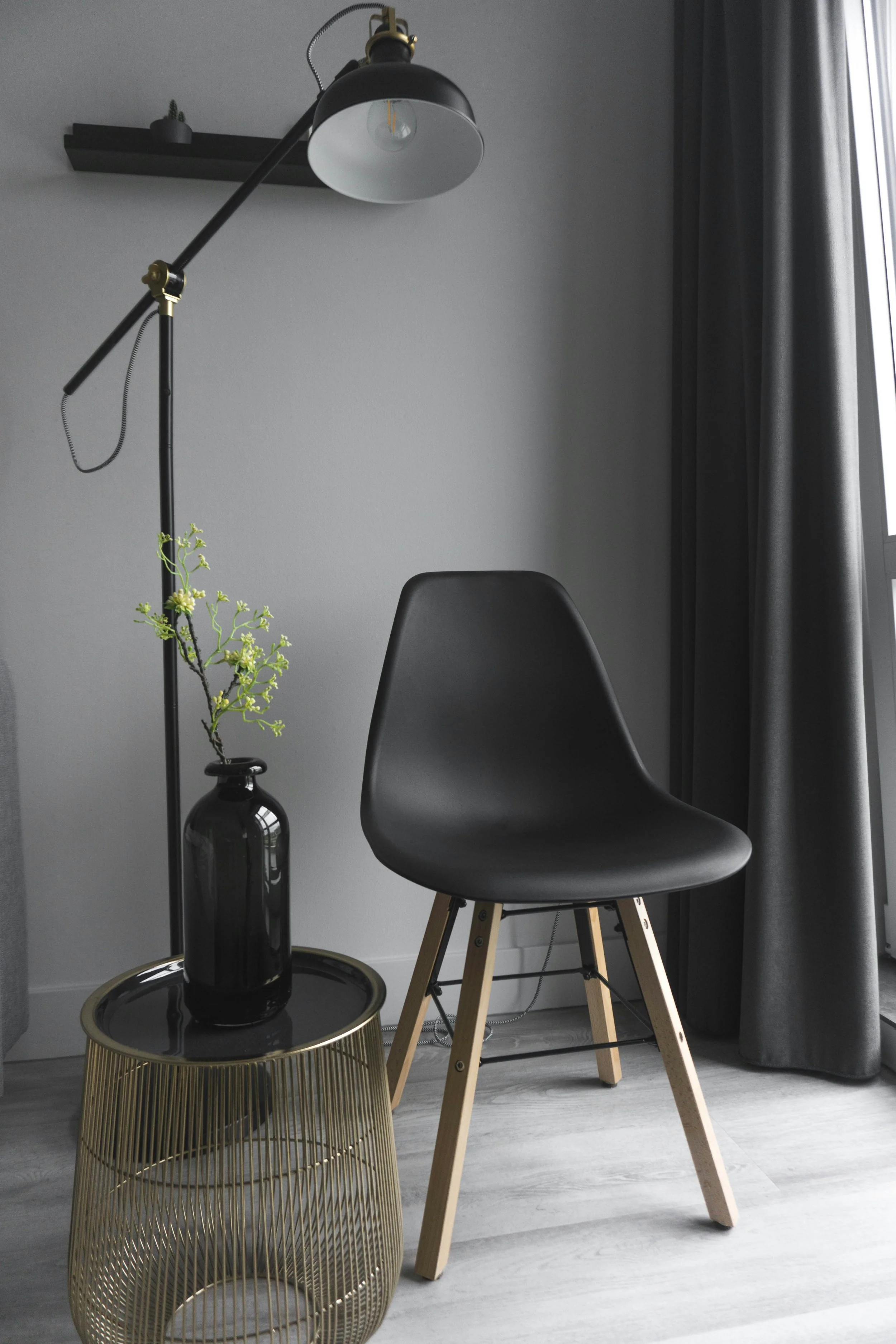
Modern
Uses straight lines and simple geometry to emphasize focus on materiality. These include wood, metal, and glass and are often seen in Bauhaus and Mid-Century modern homes.
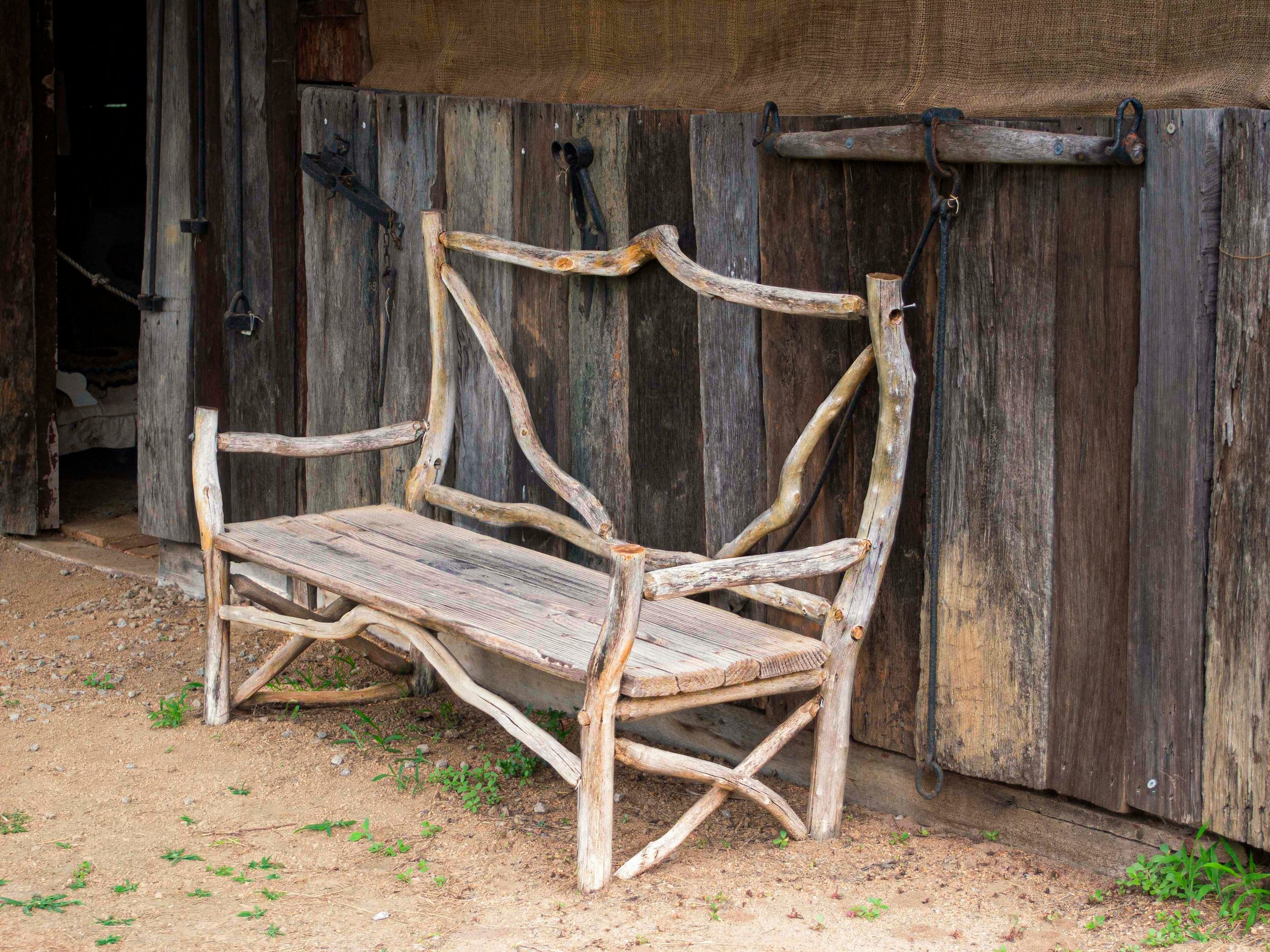
Emphasis on visible grain and natural imperfections. Uses simple joinery and is often seen in Cabins or Farmhouse inspired Interiors.
Rustic

How do I create a piece that fits in all these places?
Ideation
Weaves
Parametric Design
Simple Joinery
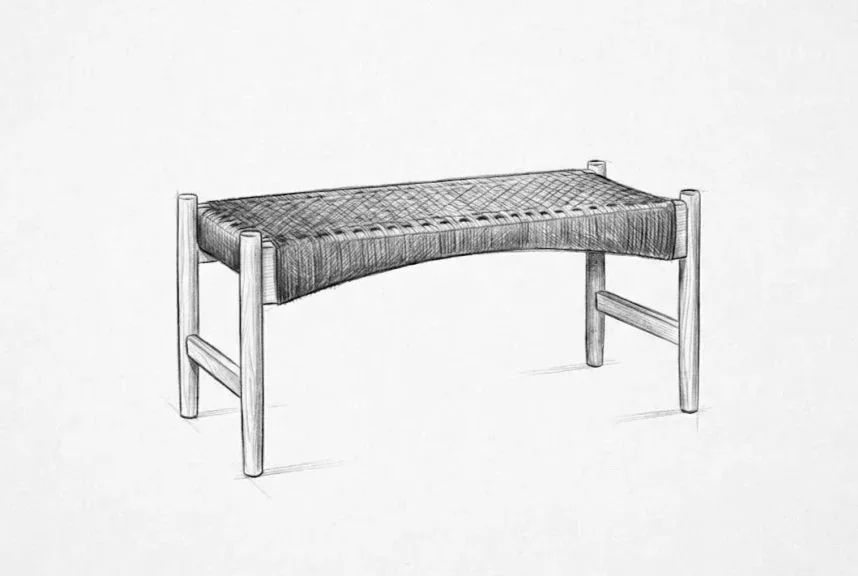
Keeping traditional values and styles that blend into the busy side of modern society is important. Making modern design comfortable.
Heritage Meets Modernity
CMF Palette
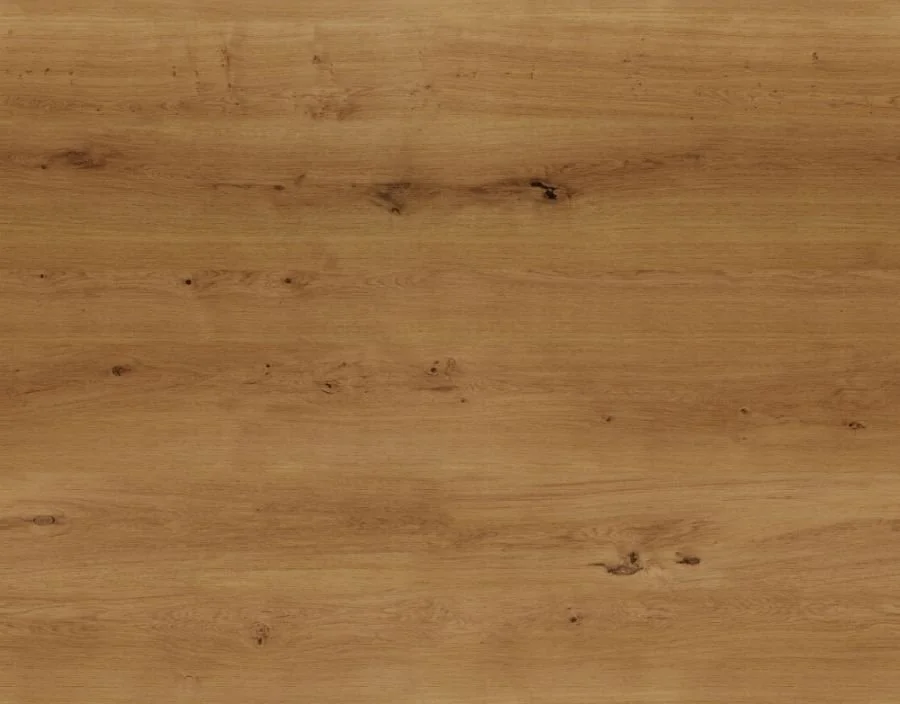
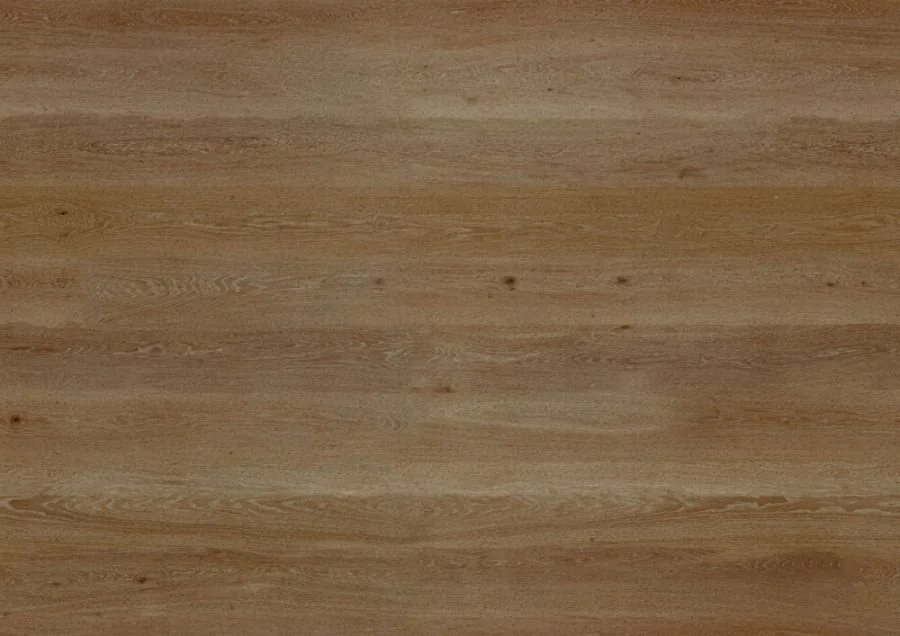
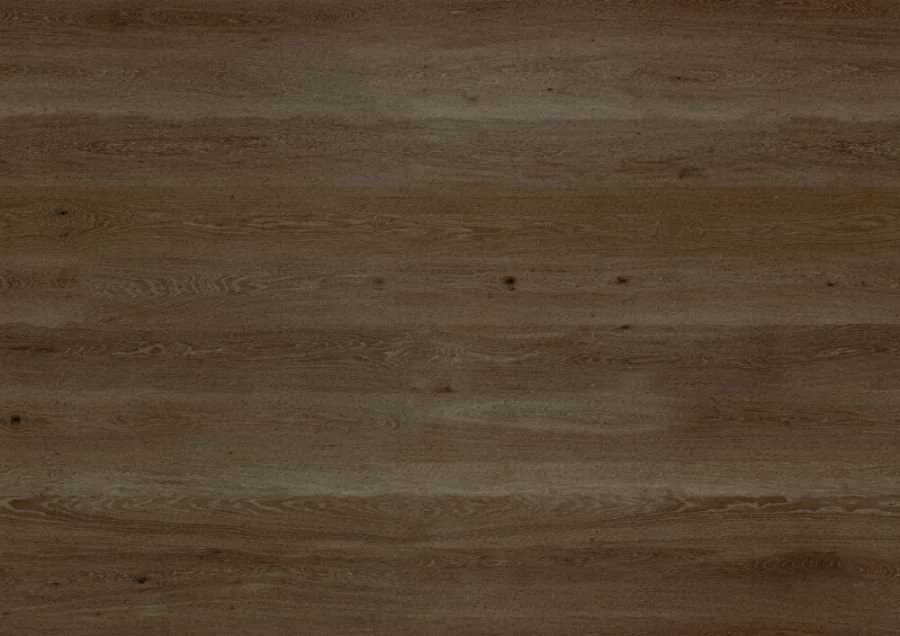
Rich Walnut and Chocolate Harmony

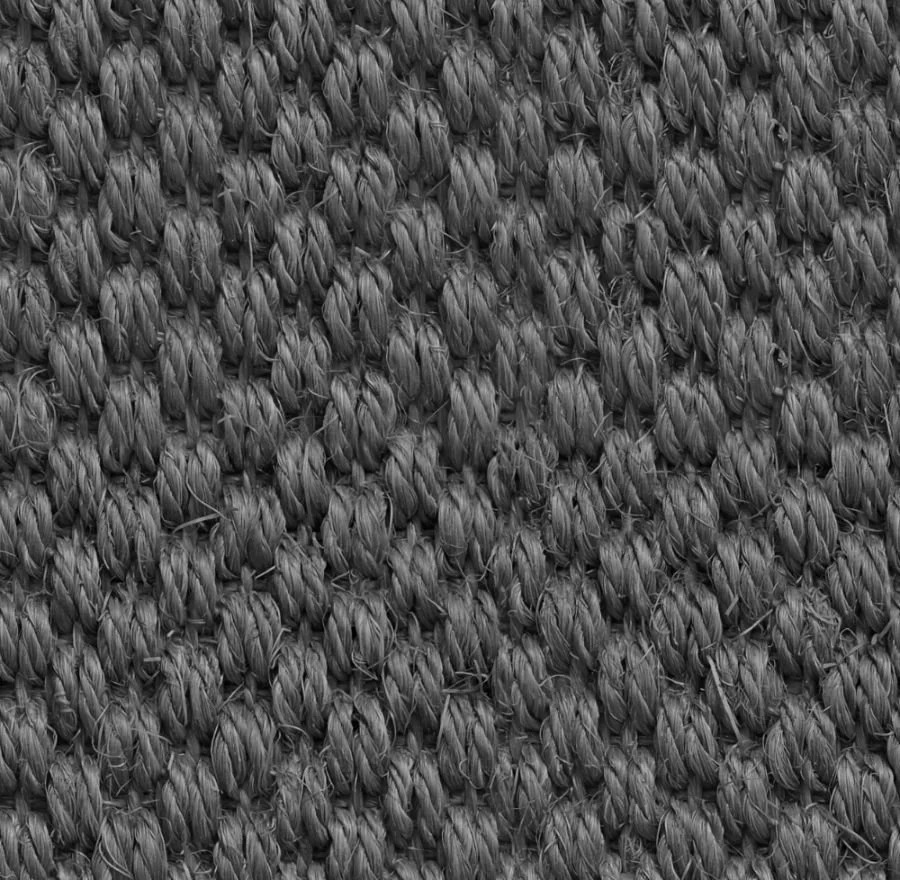

Seating Material

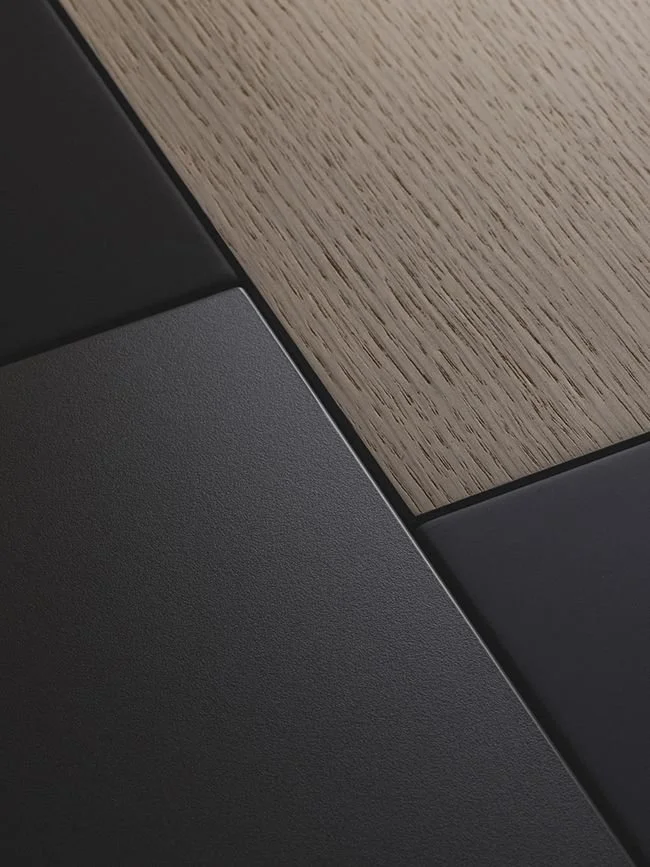
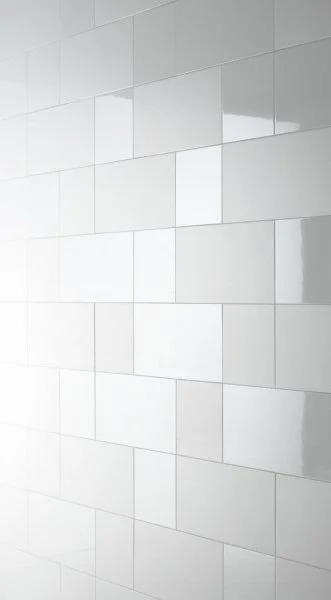
Finishes

Creates a clear template and design to follow. CAD models provide a full-scale preview, letting you see and refine the final product before production.
CAD Modeling
Final Preparation
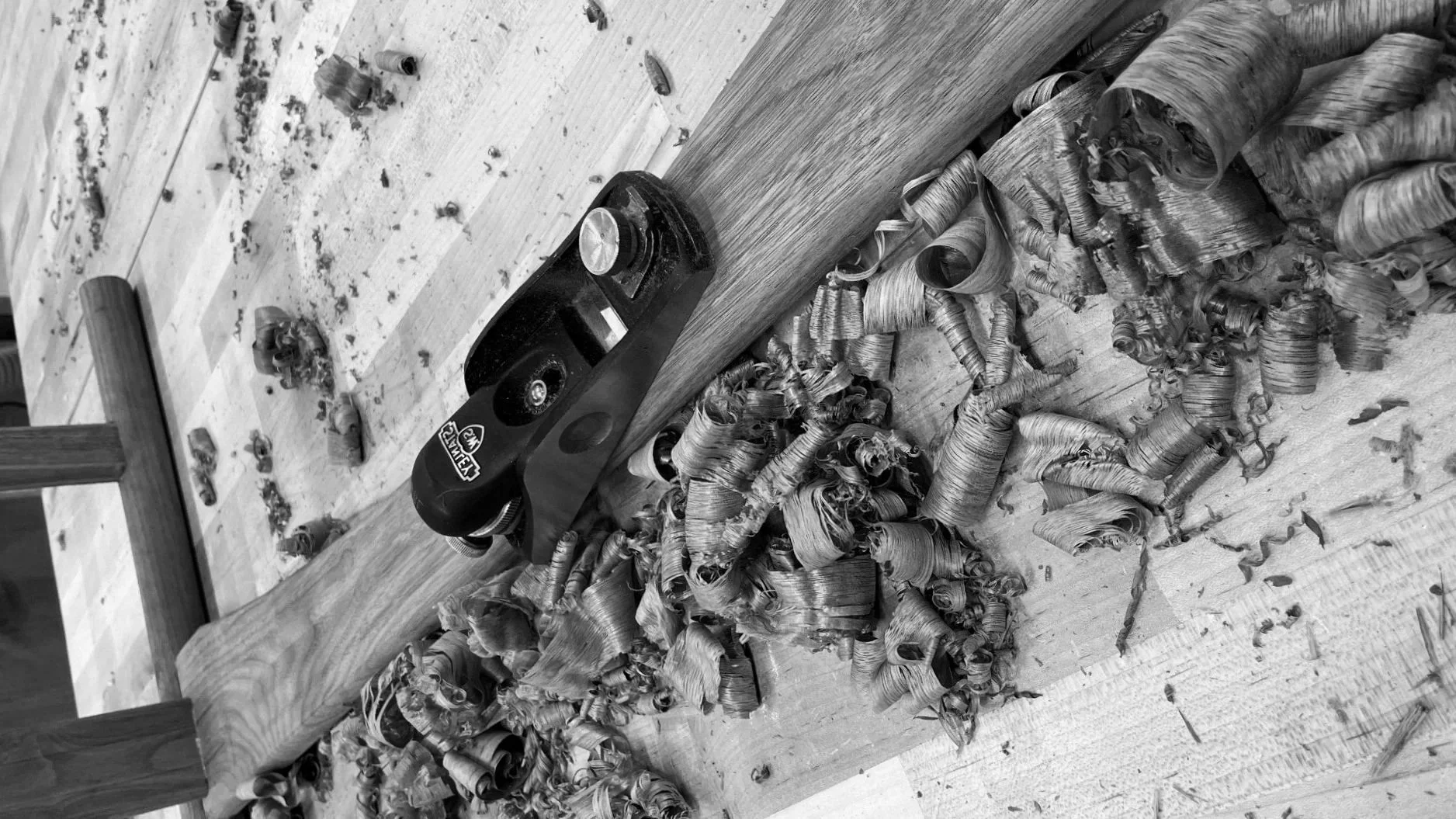
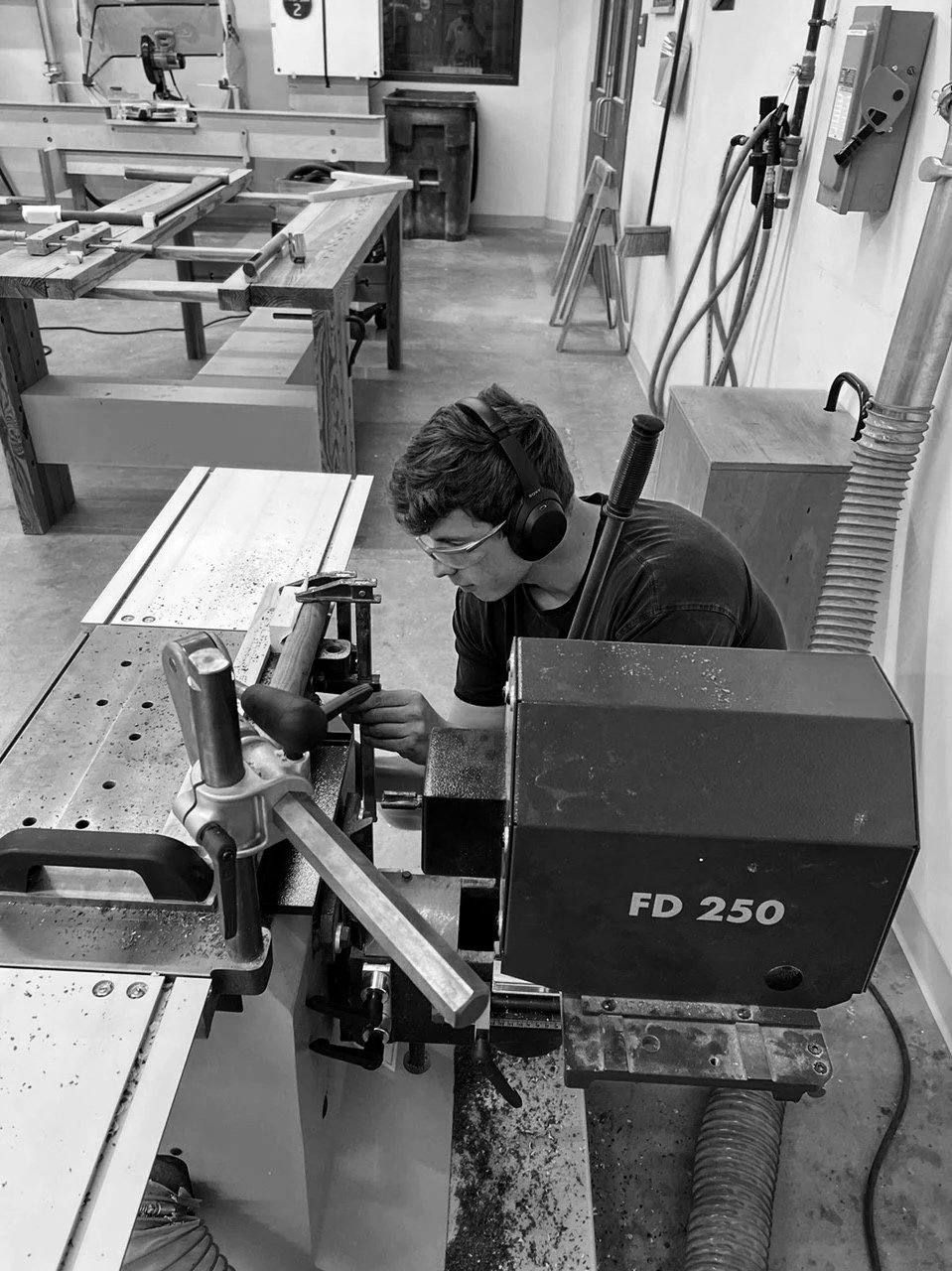
Creating Joints and Material Finishes
Prior to weaving, I created tenon-and-mortise joints in the dowels I planned on using for the legs of my bench. Using a Triangle held mount to align the dowels with the machine.
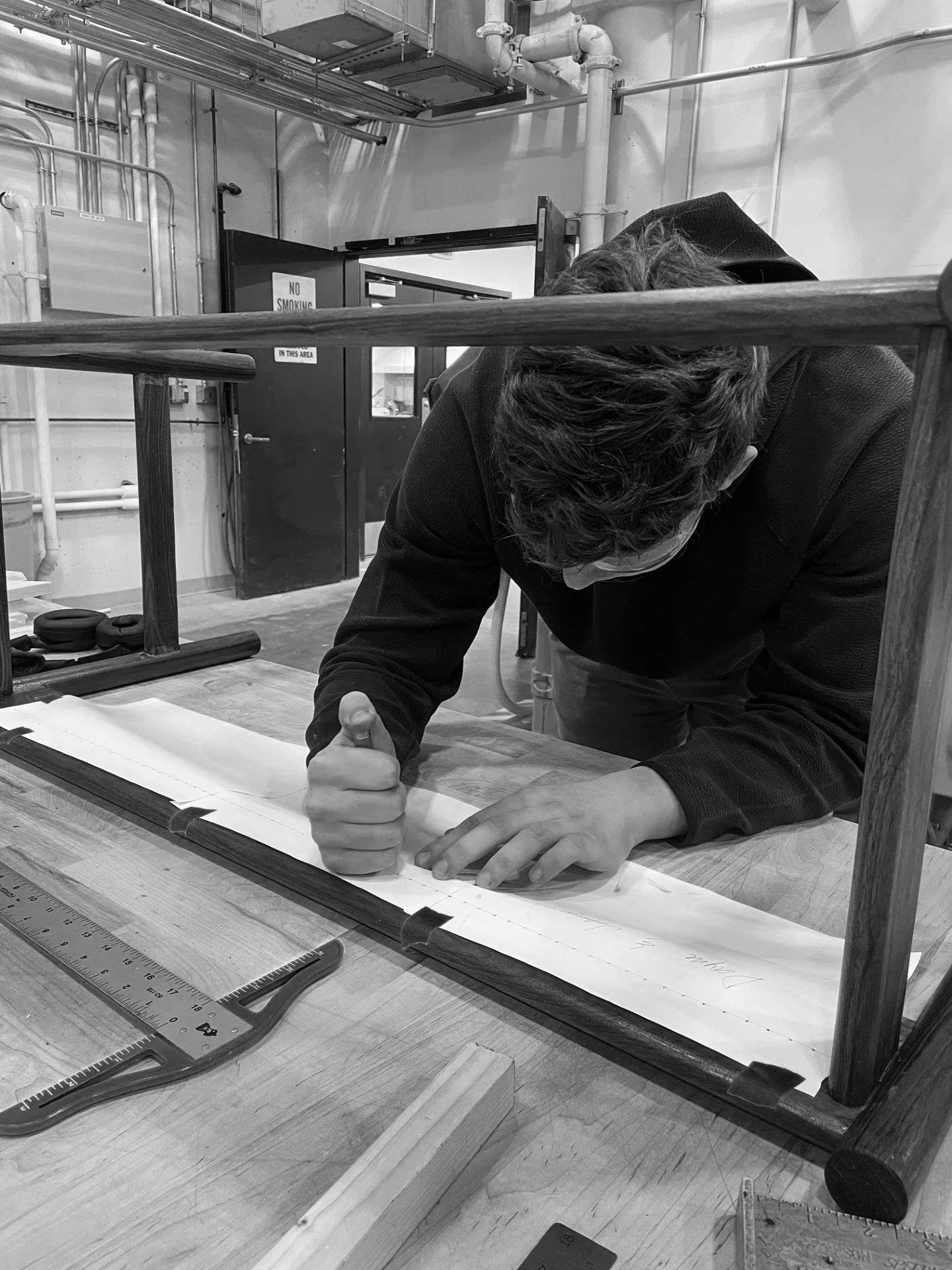
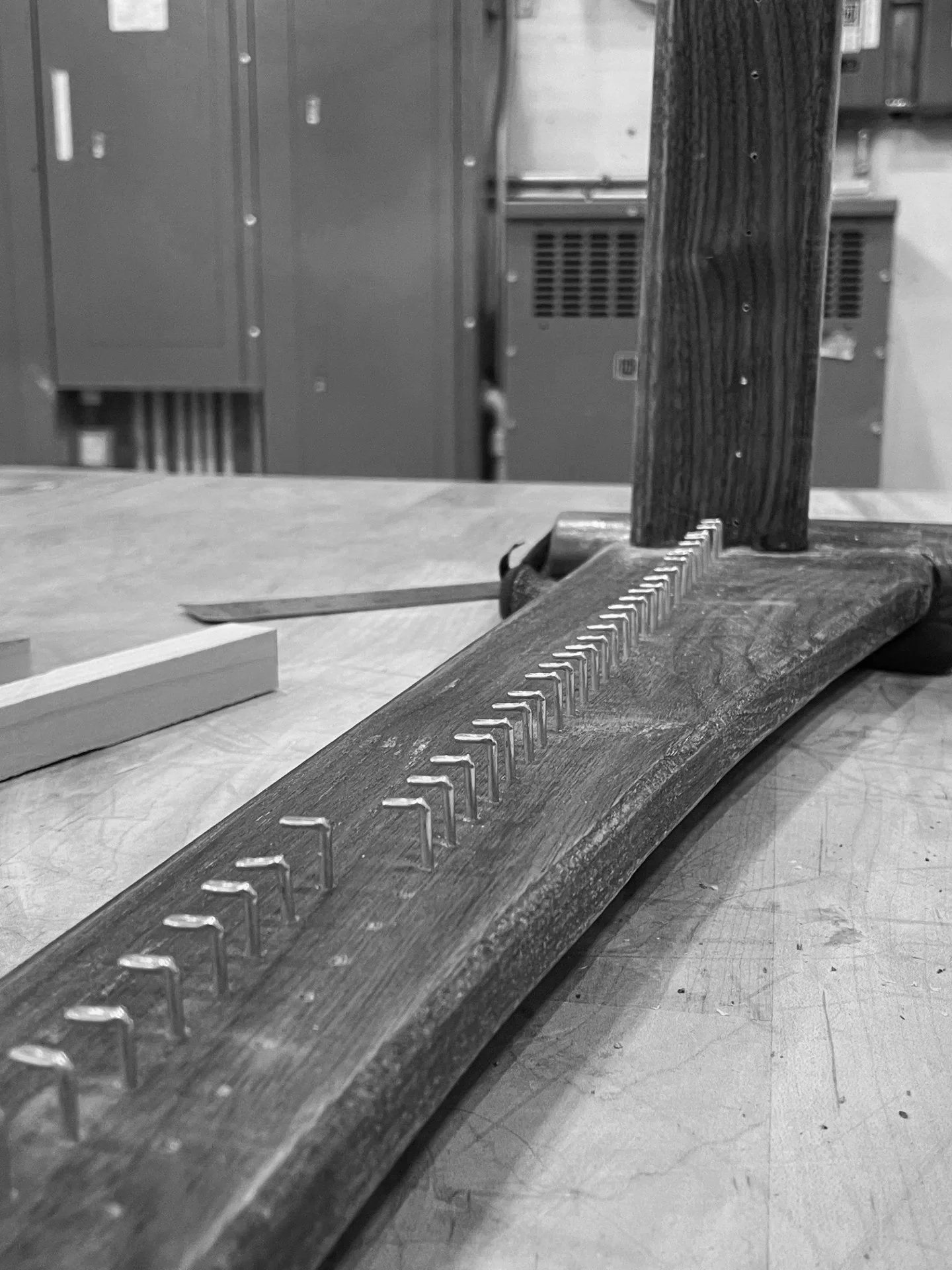
Nail Placement
Unlike a traditional woven bench, Mine added a curve. Spacing the nails apart slightly offset allowed me to wrap the weave on the curvature.

Final Weave

Unlike ordinary furniture, the Danish Bench uses wood for the frame and cord for the seat. Building the wooden frame takes about 15 hours, and hand-weaving the cord seat takes another 10 hours, highlighting its handcrafted nature.


Final Design


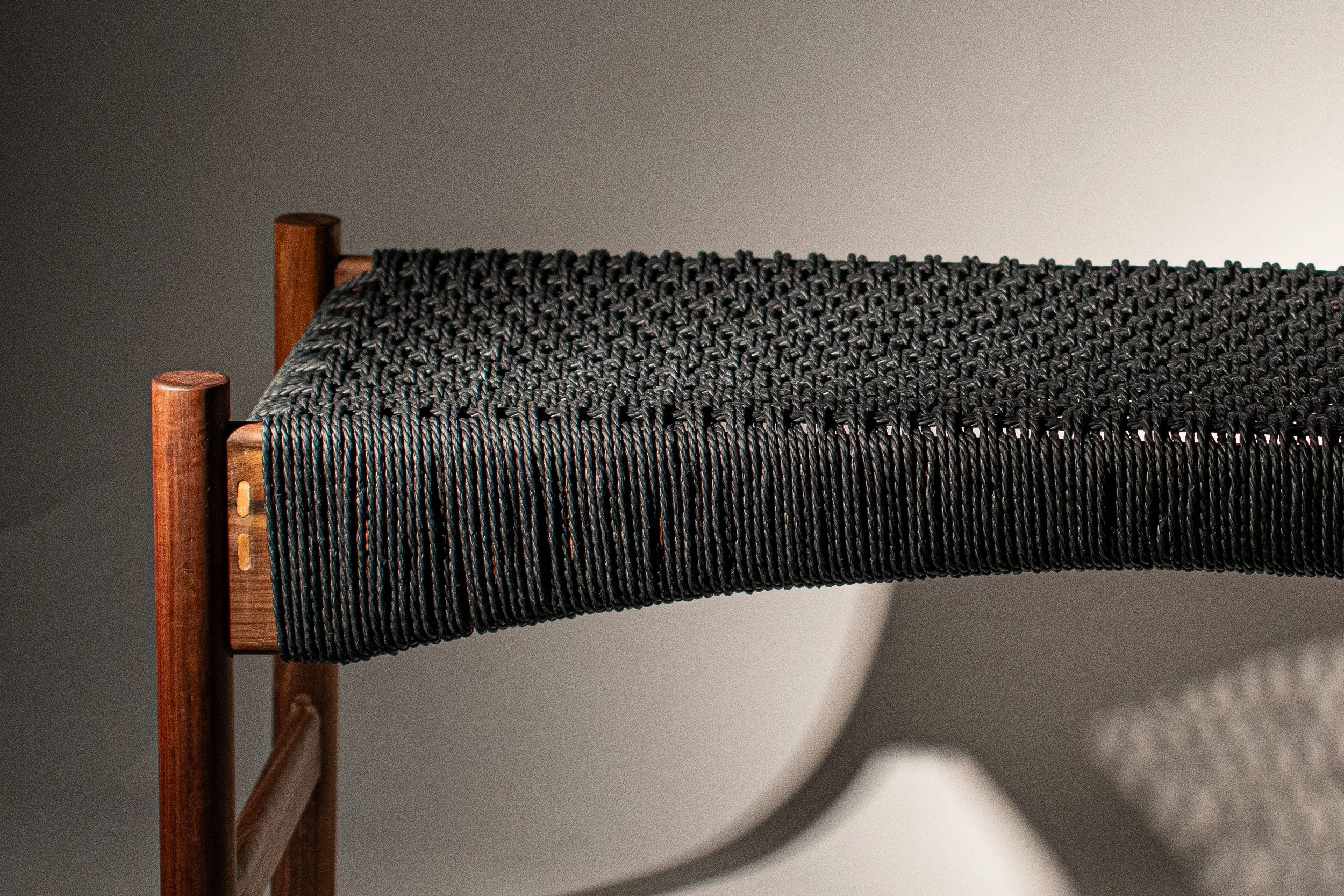
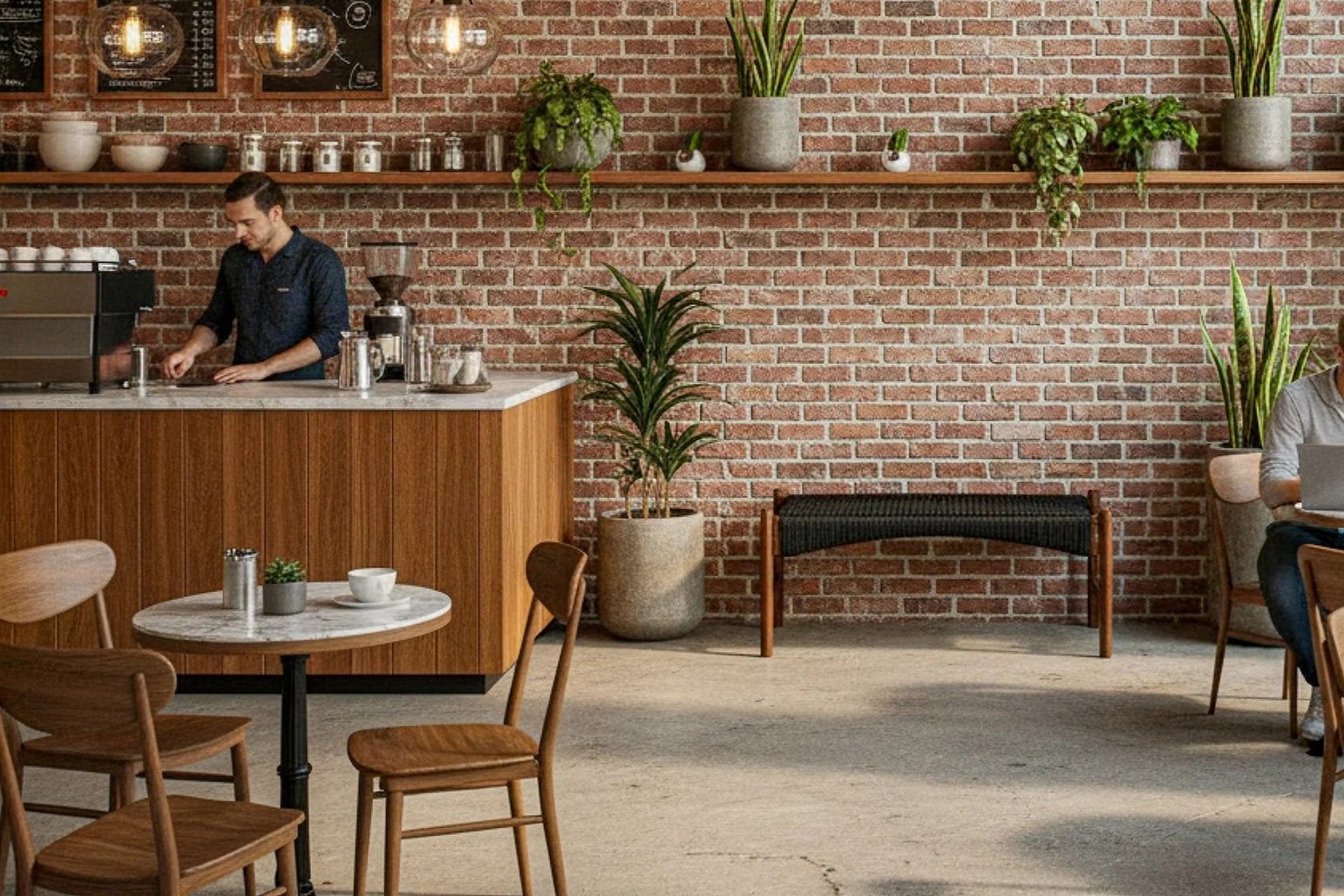
Image generated using VizCom AI, edited in Lightroom